
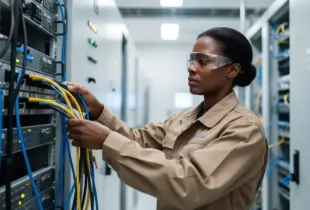
Cabling is the part of a surveillance project that is decided first, changed last and costs the most to get wrong. It is also the part buyers are least likely to ask about, which is why so many systems end up with…

If your organization holds a federal contract, or is bidding for one, the video surveillance equipment in your buildings is a compliance question and not only a purchasing preference. The rule reaches further than most…

Video surveillance creates a record of where identifiable people were and when. That record is useful, which is the point, and it also carries obligations that vary by what you record, where you operate and who appears…

Government and defense facilities are the one setting where the choice of camera can invalidate a contract. Everything else about surveillance here is familiar; that part is not, and it changes the order in which…

Hospitals are open buildings with restricted rooms inside them, staffed around the clock, containing controlled substances, expensive equipment and records that carry statutory protection. Surveillance has to work…

Branches are among the oldest users of video surveillance and among the most likely to be running a system designed for a business that no longer exists. Cash handling still matters, but the risks that have grown are…

Schools and campuses want cameras for a small number of specific reasons and inherit a set of obligations that surprise people, because in education the footage itself can become a student record. Who maintains it, and…
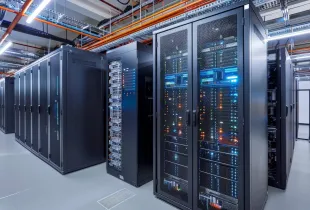
In a data center the security question is unusually precise: who physically reached which rack, and when. Video is one of the few controls that can answer it after the fact, and it is routinely specified as though the…

This is usually presented as a technology choice and is really a choice about who operates the system, how you prefer to pay, and how much footage you keep. The cameras are frequently identical either way.
The short…